Ask For A Quick Quote
we will contact you within 1 working day, please pay attention to the email with the suffix
"info@gd-xys.com"
OEM Services
—

PRODUCT DESIGN AND DEVELOPMENT
With innovation as the soul, our company is committed to continuously improving its research and development strength to provide customers with excellent products and services. We have a passionate and creative R&D team that is well-versed in the latest technologies and trends. Through continuous experimentation and testing, we extend the boundaries of research and development and actively explore new solutions and application scenarios.
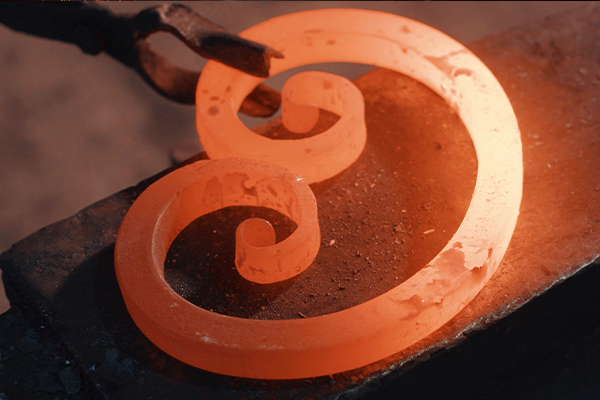
Heat Treatment for Forgings, Castings & Machined Parts
Xin Yu Sheng Utilizing extensive expertise in the quenching, tempering and annealing processes of various alloy grades allows us to perfectly meet the needs of our customers.
If you encounter problems related to material properties or properties, please talk to us. Our team has the technology and knowledge needed to meet your precise material requirements, ensuring the best solution for your specific needs.
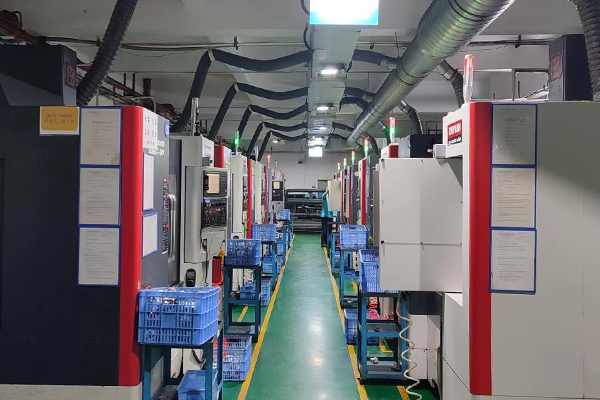
MOLD AND EQUIPMENT PROCESSING
The main eauipment is 1 set 1200T and 2 sets 603T high temperature forging machines. 40 sets high precision CNC machines, as well as sawing machine, punching machine, CNC lathes, electric discharge machinearindina machine, arinding machine, vibration grinding machine, driling and tapping machine, laser engraving machine and other supporting ecuipments. There are corresponding detection eauipment, such as coordinatemeasuring instrument, two-dlmenslonol image measuring instrument, spectral onalvzer, 3D scanner, metaloaraphic detection,etc.
QUALITY POLICY
In October 2022, it passed the ISO quality system certification
Fully implement all staff quality control
PDCA continues to improve
Meet and discuss the quality requirements of customers in a timely manner
Continue to implement 5S management
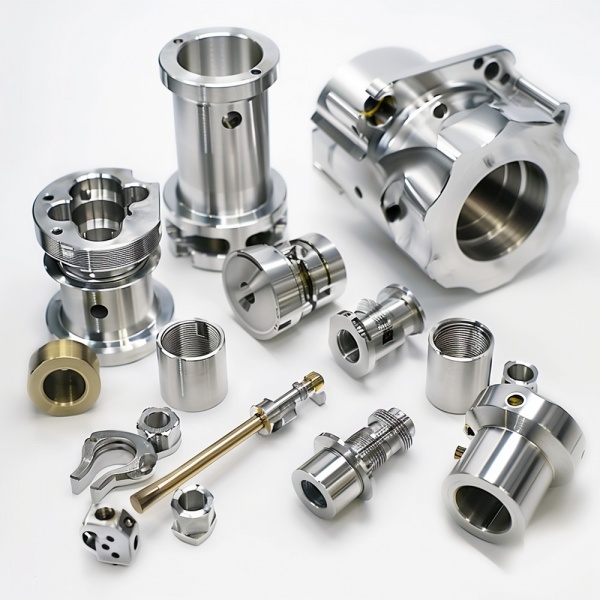
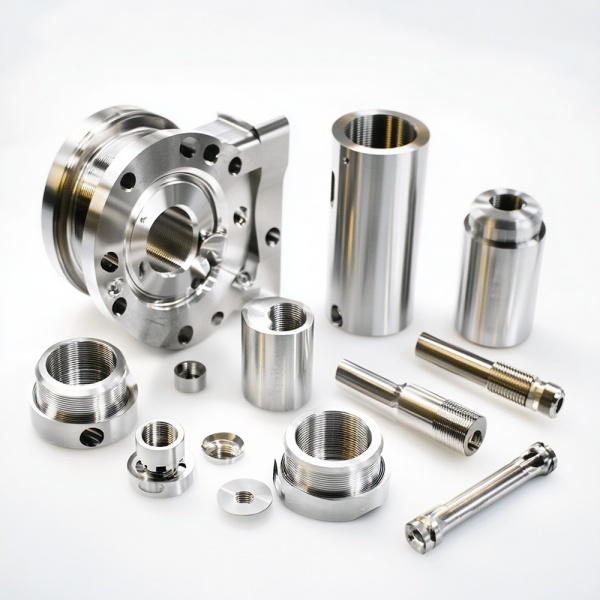

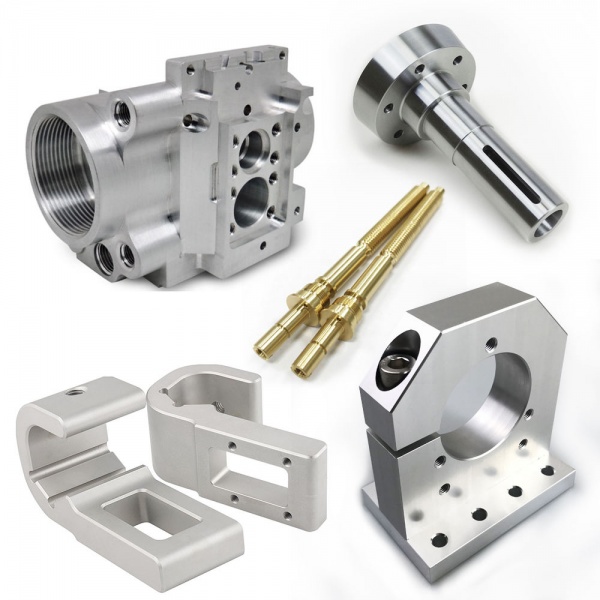


Heat Treatment
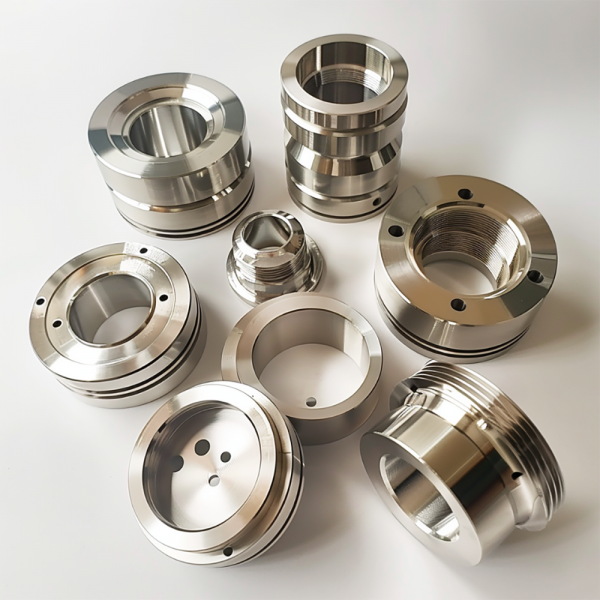
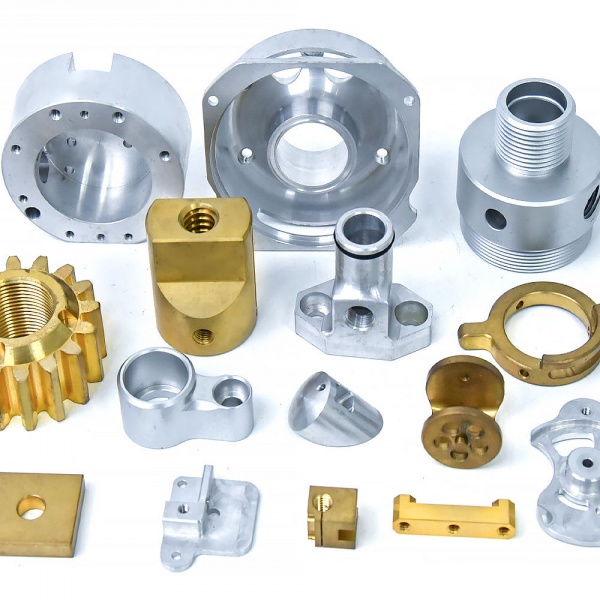
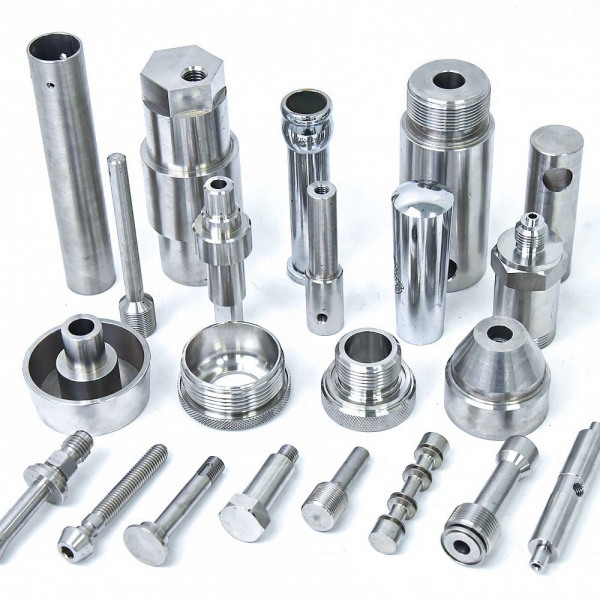
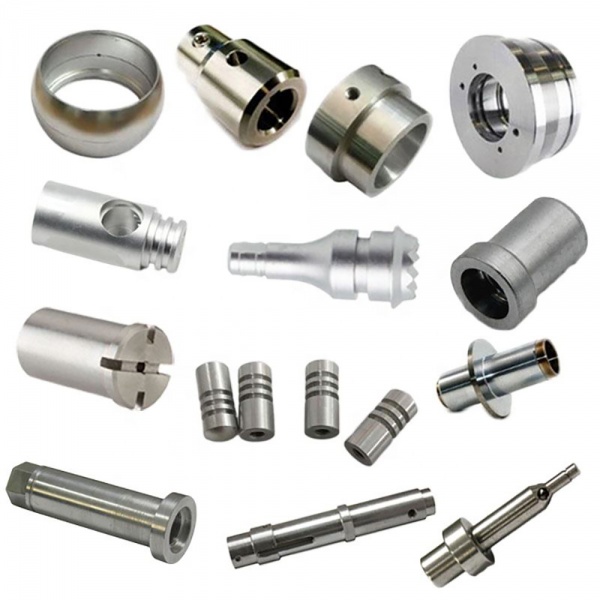
We offer a variety of materials for your forging needs, including stainless steel, carbon steel, aluminum, titanium and nickel alloys to provide you with a large selection to perfectly meet your needs! We are here to help you with your selection and provide professional advice on material selection.
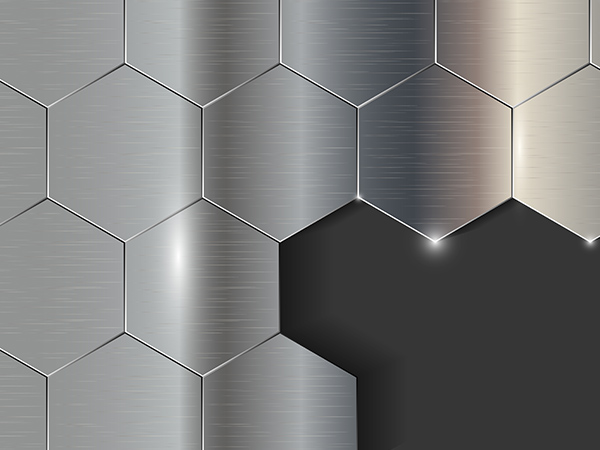
Stainless Steels
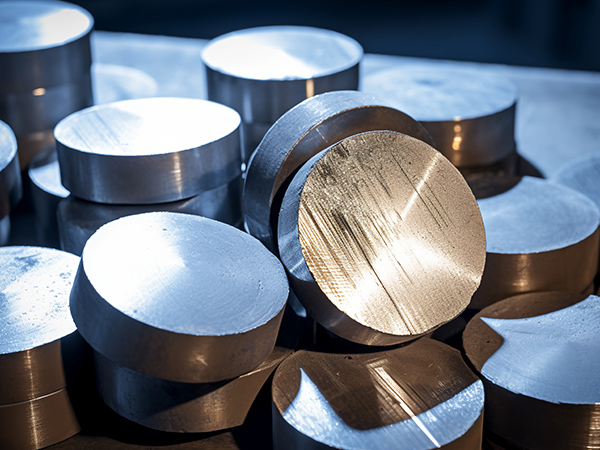
Carbon and Alloy Steels
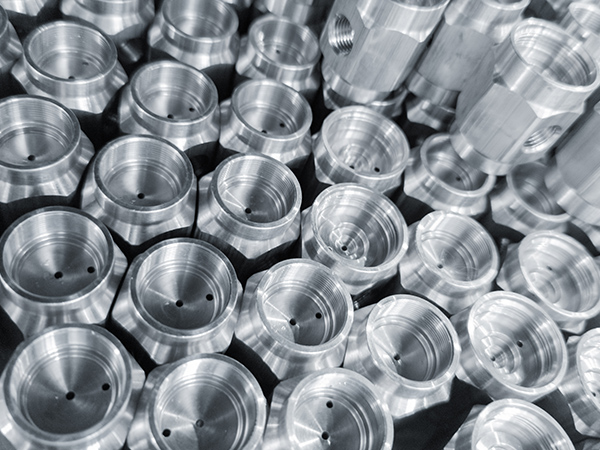
Aluminum
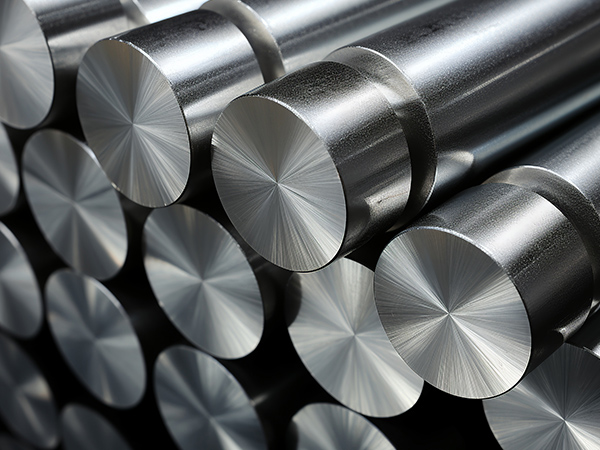
Titanium
Heat Treatment Meeting Diverse Manufacturing Needs
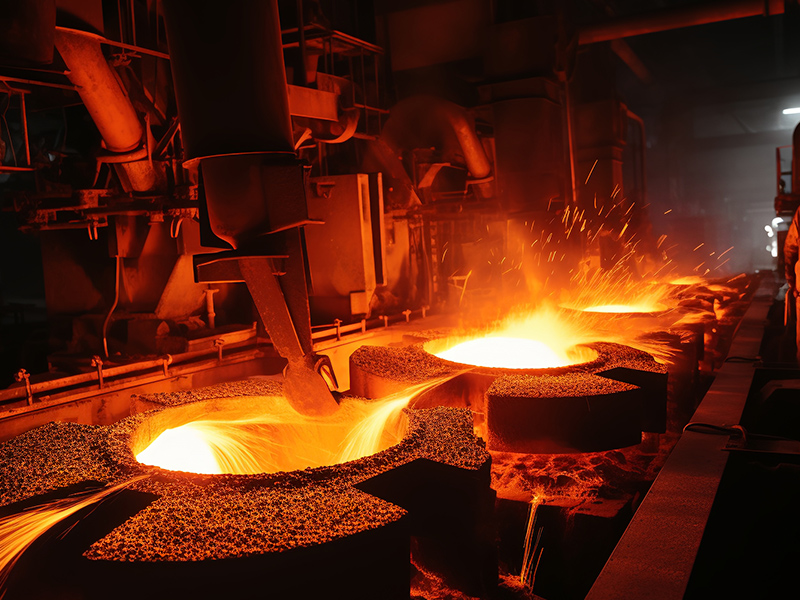
Heat treatment is a process by heating and cooling metals (or alloys) to change their physical and chemical properties, often used to improve the hardness, strength, toughness and wear resistance of materials. Heat treatment can include a variety of methods, such as annealing, quenching, tempering, normalizing, etc., and various methods have different purposes and effects.
● High precision and good surface quality
● Complex shaped castings
● High production efficiency
● High material utilization rate
● Light weight
● Less post-processing requirements
● Good strength and toughness
● High degree of automation
● Environmental protection property
Solution: Customize services according to customer needs
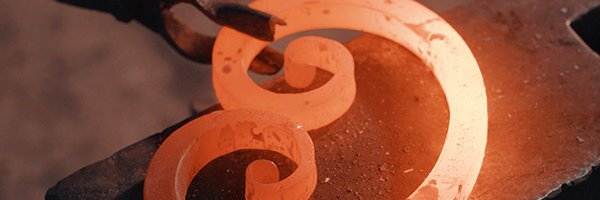
Annealing:
Purpose: To remove internal stresses, refine grains and improve mechanical properties by heating metals to a specific temperature and holding them for a period of time before cooling slowly. Application: Commonly used in steel, aluminum alloy and copper alloy.
Quenching:
Purpose: To heat metals to high temperatures and cool them quickly, usually by immersing them in water, oil, or air, to increase their hardness and strength. Application: Mainly used in the manufacture of tool steel and certain alloy steels, such as gears and bearings.
Tempering:
Purpose: After quenching, the metal is heated to a lower temperature (usually between 150°C and 650°C) and cooled slowly to reduce its brittleness and improve its toughness. Application: Usually combined with quenching, suitable for many types of steel.
Normalizing:
Purpose: The metal is heated to a temperature above the critical point and then cooled naturally in the air to obtain uniform organization and properties. Application: It is often used in the treatment of carbon steel and low alloy steel to improve its mechanical properties.
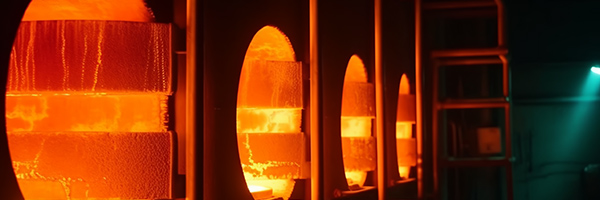
Surface Hardening:
Objective: To harden the metal surface by various methods (such as carbonization, nitriding, quenching, etc.), while maintaining toughness inside. Application: Used to improve the surface wear resistance of parts, such as gears, shafts, and punches.
Aging:
Purpose: By keeping it at a specific temperature for a period of time, the microstructure of the alloy material can be changed to achieve the purpose of improving the strength and hardness. Application: Commonly used in aluminum alloys and certain titanium alloys.
Solution Treatment:
Purpose: The alloy is heated to a specific temperature so that the solute elements dissolve in the solvent metal, and then rapidly cooled to achieve a uniform chemical composition and microstructure.Application: Widely used in the preparation of aluminum alloy, magnesium alloy and titanium alloy.
Stress Relieving:
Purpose: To heat the metal below the recrystallization temperature to eliminate internal stresses created during welding or machining. Application: It is often used for welding parts and finished products after machining.
Forging Applications
Xin Yu Sheng have professional knowledge in metal forging to meet the stringent requirements of various industries around the world.

Automotive industry
● Gears and bearings
● Chassis components
Aerospace
● Engine component
● Frame and support structure
Machinery Manufacturing
● Tools and molds
● Mechanical component
Construction project
● Steel structure and members
● Rebar
Power and energy
● Power generation equipment
● Gas turbine
Military industry
● Arms and ammunition
● Armor material
Electronics and appliances
● Electrical connector
● Precision parts
Consumer goods
● Kitchen utensils and knives
● Tool
Forging Advantages
Improve mechanical properties:
Heat treatment can significantly improve the hardness, strength and toughness of the material. For example, by quenching and tempering, the hardness of steel can be significantly increased while maintaining good toughness.
Improve wear resistance:
Certain heat treatment methods (such as quenching and surface hardening) can enhance the wear resistance of materials and are suitable for use in high-wear working conditions, such as mechanical parts and tools.
Relieving internal stress:
During the manufacturing process, metal materials often produce internal stresses, and heat treatment can remove these internal stresses by annealing and other methods to prevent deformation or fracture during subsequent processing or use.
Faq About Our Heat Treatment Services
Feel free to contact our team for more detailed information or to discuss your specific CNC machining needs. Call us (+86) 134 1753 9458 or email us at info@gd-xys.com
Why is my mold deformed
Optimize heating and cooling processes to ensure even temperature distribution. For example, the use of more advanced heating equipment, such as medium-frequency induction heating, can allow heat to penetrate more evenly into the workpiece. Reasonable design of fixture, effective support and fixing of workpiece, reduce the possibility of deformation. Select the appropriate heat treatment process parameters, such as controlling heating speed, holding time and cooling speed.
Can your heat treatment process solve the uneven hardness?
Strictly control the quality of raw materials to ensure uniform composition. Check the working condition of heat treatment equipment to ensure the accuracy of temperature and time. For example, regularly calibrate the temperature control system of the heating furnace. The workpiece is sufficiently stirred or turned to make the heat and medium act evenly on the surface of the workpiece.
How to deal with cracks in the process of heat treatment
Optimize heat treatment process and reduce thermal stress. For example, the use of fractional quenching and other methods. Carry out strict flaw detection on raw materials to find and exclude defective materials in advance. Control the temperature and flow rate of the cooling medium to avoid excessive stress caused by too fast cooling.
Can your heat treatment process solve the problem of uneven grain size
Yes, we strictly control the heating temperature and holding time to ensure uniform austenitizing. The raw material is pretreated to improve the uniformity of its original structure. Select the appropriate forging process to refine the grain.
Contact Supplier
Send your message to this supplier
Top
Contact Supplier
Send your message to this supplier

Xinyusheng Metal Products

点击右上角
分享给朋友吧
NAVIGATION
PRODUCTS
CONTACT

+86 134 1753 9458
+86 150 1998 3523
+86 137 2888 0942

info@gd-xys.com

No.10, Qianling 5th Street, Jichigang Village, Baoshan Community, Huangjiang Town, Dongguan City

Xinyusheng Metal Products
CONTACT
Add:No.10, Qianling 5th Street, Jichigang Village, Baoshan Community, Huangjiang Town, Dongguan City
Phone:+86 134 1753 9458
+86 150 1998 3523
+86 137 2888 0942
E-mail:info@gd-xys.com
Copyright © 2024 Dongguan Xinyusheng Metal Products Co., Ltd
