Ask For A Quick Quote
we will contact you within 1 working day, please pay attention to the email with the suffix
"info@gd-xys.com"
OEM Services
—

PRODUCT DESIGN AND DEVELOPMENT
With innovation as the soul, our company is committed to continuously improving its research and development strength to provide customers with excellent products and services. We have a passionate and creative R&D team that is well-versed in the latest technologies and trends. Through continuous experimentation and testing, we extend the boundaries of research and development and actively explore new solutions and application scenarios.
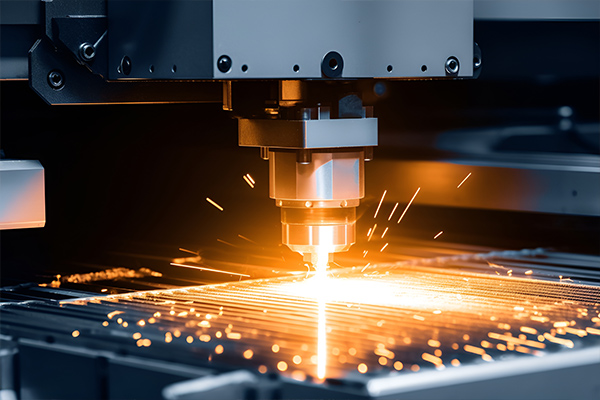
Sheet Metal Fabrication for Forgings, Castings & Machined Parts
Xin Yu Sheng Utilizing extensive expertise in the quenching, tempering and annealing processes of various alloy grades allows us to perfectly meet the needs of our customers.
Sheet metal processing is a comprehensive cold processing process for sheet metal (usually less than 6mm), which is widely used in many fields such as aviation, automotive, home appliances, construction and medical devices. Sheet metal processing refers to the use of cutting, stamping, bending, welding, riveting and other processes to process metal sheets into parts or products of various shapes and sizes. Sheet metal processing has the characteristics of high precision, high efficiency and high automation, and can process complex shapes of parts, and the thickness of the same part is consistent.
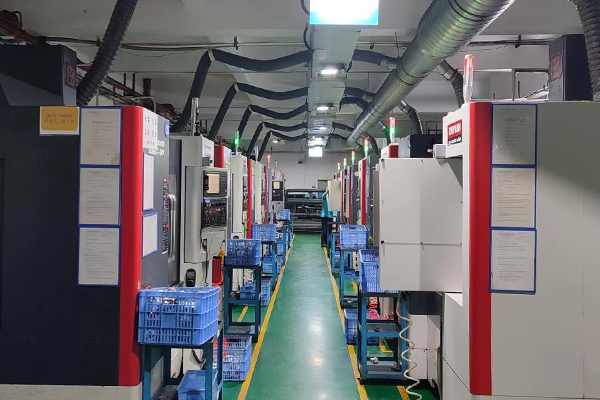
MOLD AND EQUIPMENT PROCESSING
The main eauipment is 1 set 1200T and 2 sets 603T high temperature forging machines. 40 sets high precision CNC machines, as well as sawing machine, punching machine, CNC lathes, electric discharge machinearindina machine, arinding machine, vibration grinding machine, driling and tapping machine, laser engraving machine and other supporting ecuipments. There are corresponding detection eauipment, such as coordinatemeasuring instrument, two-dlmenslonol image measuring instrument, spectral onalvzer, 3D scanner, metaloaraphic detection,etc.
QUALITY POLICY
In October 2022, it passed the ISO quality system certification
Fully implement all staff quality control
PDCA continues to improve
Meet and discuss the quality requirements of customers in a timely manner
Continue to implement 5S management
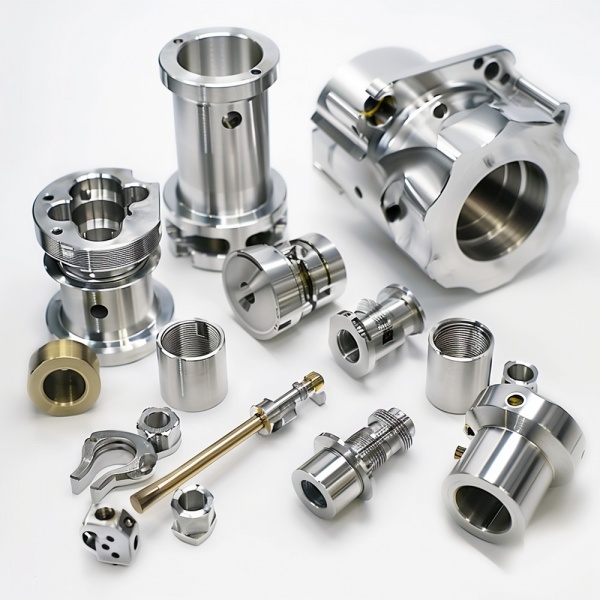
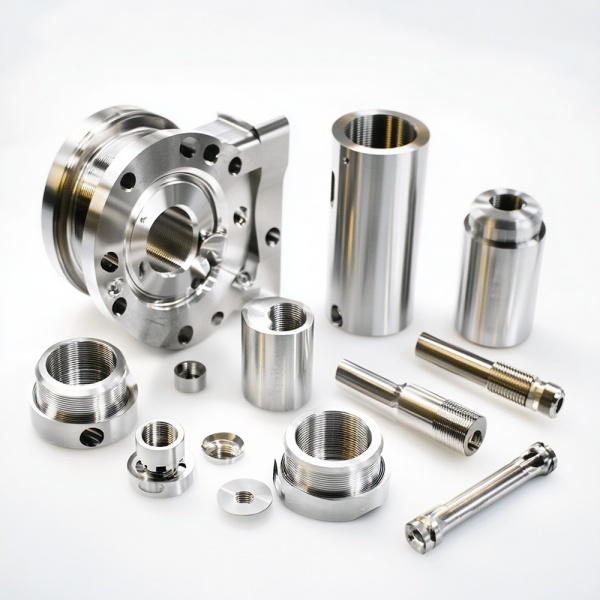
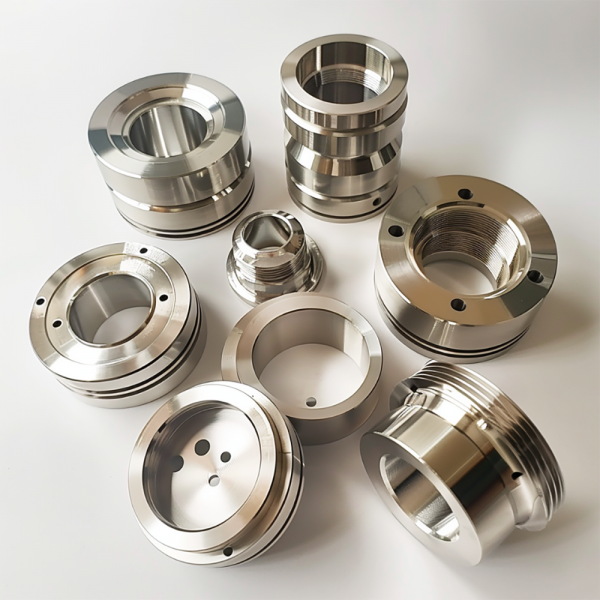

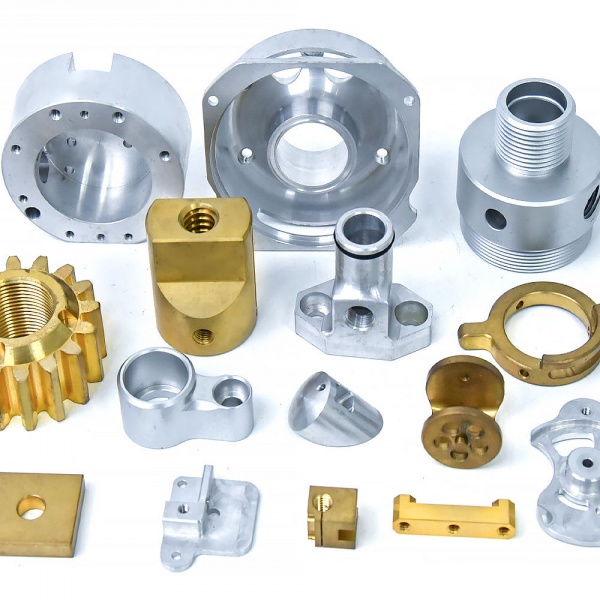
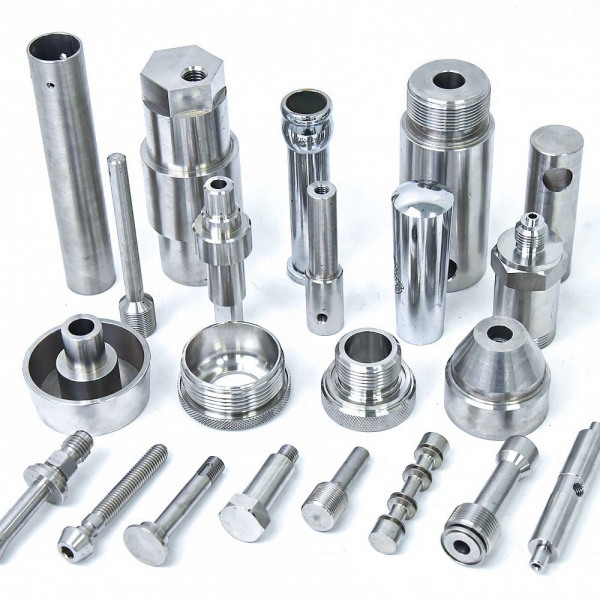
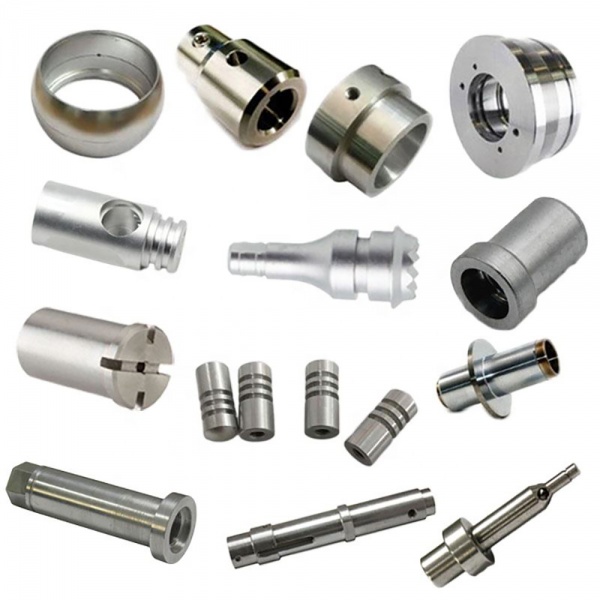
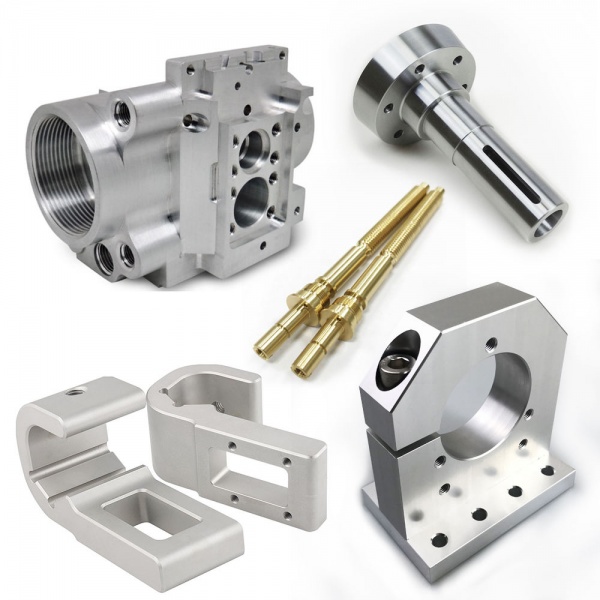


Sheet Metal Fabrication
We offer a variety of materials for your forging needs, including stainless steel, carbon steel, aluminum, titanium and nickel alloys to provide you with a large selection to perfectly meet your needs! We are here to help you with your selection and provide professional advice on material selection.
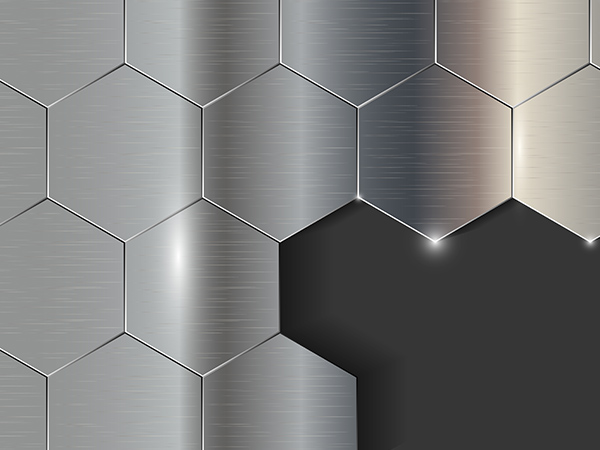
Stainless Steels
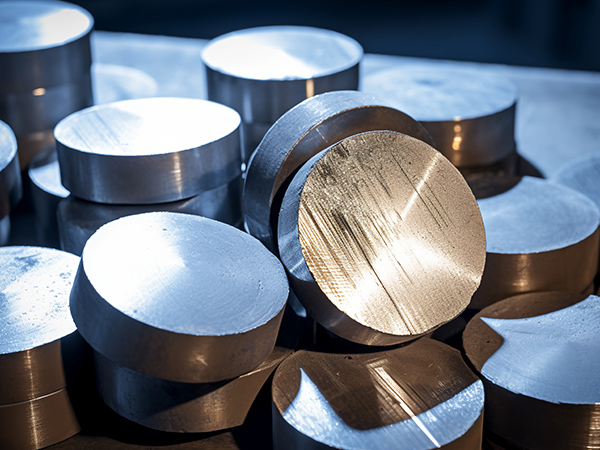
Carbon and Alloy Steels
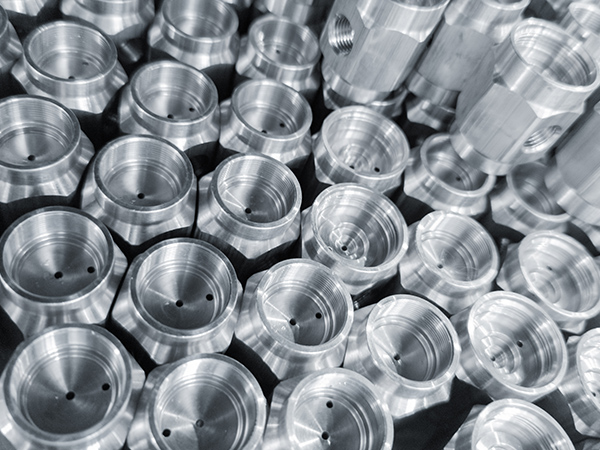
Aluminum
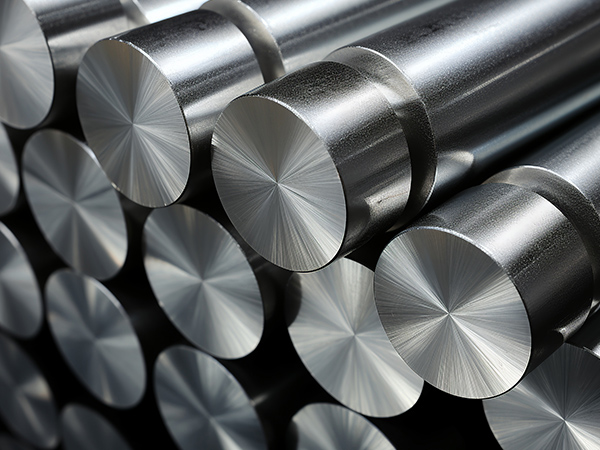
Titanium
Surface Finishes Meeting Diverse Manufacturing Needs
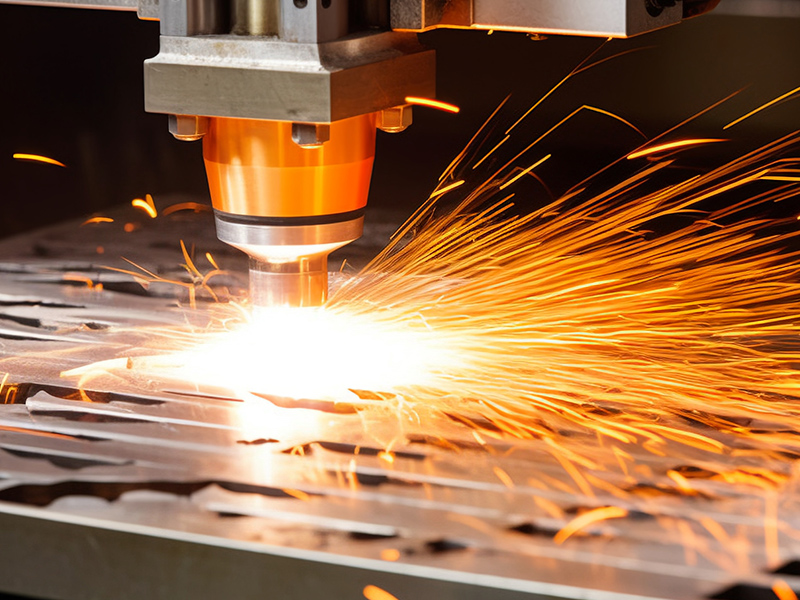
Sheet metal processing is a comprehensive cold processing process for sheet metal (usually less than 6mm), which is widely used in many fields such as aviation, automotive, home appliances, construction and medical devices. Sheet metal processing refers to the use of cutting, stamping, bending, welding, riveting and other processes to process metal sheets into parts or products of various shapes and sizes.
● Raw material preparation
● Proofing and design
● Programming and CNC cutting
● Bend and form
● Punch and punch holes
● Welding and assembly
● Surface treatment
● Inspection and quality control
● Packing and shipping
Solution: Customize services according to customer needs
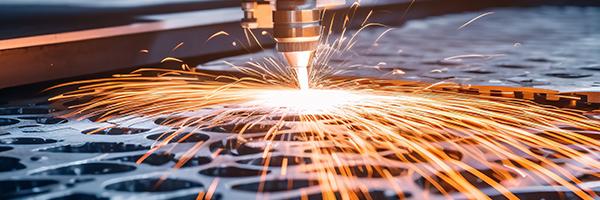
Shearing process:
Definition: Shearing is one of the most basic processes in sheet metal processing, mainly used to cut raw materials into the desired shape and size.
Methods:including mechanical shear, laser shear, plasma shear, water knife shear and so on. Mechanical shear is suitable for larger thickness plates, while laser and plasma shear are suitable for thinner materials, enabling high-precision and high-efficiency cutting.
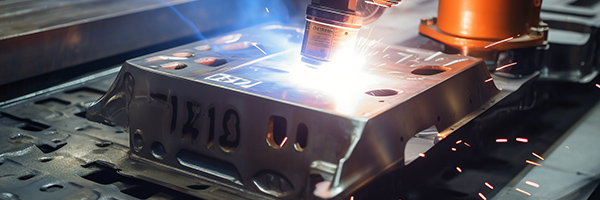
Welding process:
Definition: Welding is the process of melting two or more metal parts by melting their contact parts and then cooling and solidifying into a single whole.
Method: In sheet metal processing, the welding process is often used to join multiple sheet metal parts together to form a complete product. Common welding methods include arc welding, gas welding, laser welding, etc. The choice of welding method depends on the nature of the material, welding requirements and processing conditions and other factors.
Surface Finishes Applications
Xinyu Sheng has the professional surface treatment knowledge to meet the stringent requirements of various industries around the world.

Automobile manufacturing
● Shell
● Door
● Bonnet
Electronic product
● Chassis
● Cabinet
● Mechanical housing
Unit
● Cabinet
● Doors and windows
Medical equipment
● Operating table
● Inspection stand
● Treatment cart
Self-service equipment
● Self-service ticket collection machine
● Vending machine
● Self-service coffee machine
Aerospace
● Airfoil
● Empennage
New energy
● Photovoltaic panel bracket
● Wind turbine blade
Rail traffic
● Car body
● Door
● Interior trim
Surface Finishes Advantages
High precision and high quality:
The machining accuracy of sheet metal process is higher than that of traditional machining process, and it can produce workpiece with high precision and stable size. This is thanks to advanced CNC machining equipment and automated production lines, as well as the combined application of precision measurement technology.
High efficiency and low cost:
Sheet metal process using advanced CNC equipment and automatic production line, can greatly shorten the processing cycle, improve production efficiency. In particular, non-contact cutting methods such as laser cutting have fast processing speed and effectively improve the overall processing efficiency.
Lightweight and high strength:
The workpiece processed by sheet metal technology has light weight, high strength and strong corrosion resistance. This is particularly important for lightweight products, such as aerospace, automotive and other fields, the use of sheet metal processes can further reduce product weight and improve product performance.
Faq About Our Sheet Metal Fabrication Services
Feel free to contact our team for more detailed information or to discuss your specific CNC machining needs. Call us (+86) 134 1753 9458 or email us at info@gd-xys.com
Burr and convex concave problem
Check and maintain the mold regularly to ensure the sharpness and cleanliness of the mold. In the stamping process, reasonable adjustment of process parameters, such as stamping speed, pressure, etc., to reduce the generation of burrs. For convex and concave problems, check the working status of the uncoiling device to ensure the stability of the uncoiling process.
Roll marks and skid marks
Clean and maintain the roller regularly to ensure that its surface is clean and free of foreign matter. Adjust the roller speed and running stability to avoid sudden acceleration or deceleration. For sheet metal parts that have appeared roll marks and slip marks, you can consider secondary processing or surface treatment to repair.
Size deviation problem
High quality processing equipment is used to improve processing accuracy. In the design stage, the elastic deformation of the material should be considered reasonably and the appropriate correction should be made. Strengthen the training of the operator, improve the level of processing technology, and ensure that the operation is strictly in accordance with the process requirements.
Machining deformation problem
In the design stage to minimize the processing deformation, reasonable selection of materials and processing technology. In the actual processing, the deformation can be reduced by increasing the bending radius, appropriately reducing the processing speed and adopting appropriate cooling methods.
Contact Supplier
Send your message to this supplier
Top
Contact Supplier
Send your message to this supplier

Xinyusheng Metal Products

点击右上角
分享给朋友吧
NAVIGATION
PRODUCTS
CONTACT

+86 134 1753 9458
+86 150 1998 3523
+86 137 2888 0942

info@gd-xys.com

No.10, Qianling 5th Street, Jichigang Village, Baoshan Community, Huangjiang Town, Dongguan City

Xinyusheng Metal Products
CONTACT
Add:No.10, Qianling 5th Street, Jichigang Village, Baoshan Community, Huangjiang Town, Dongguan City
Phone:+86 134 1753 9458
+86 150 1998 3523
+86 137 2888 0942
E-mail:info@gd-xys.com
Copyright © 2024 Dongguan Xinyusheng Metal Products Co., Ltd
