Ask For A Quick Quote
we will contact you within 1 working day, please pay attention to the email with the suffix
"info@gd-xys.com"
News
—
Aluminum alloy forging: precision forming process in the era of lightweight
2025-08-20 10:35:27
Click:
1、Overview of aluminum alloy forging
Aluminum alloy forging, as a vital metal forming technique, has become an indispensable process technology in modern manufacturing. This method achieves desired shapes, dimensions, and properties by applying pressure to solid aluminum alloy blanks, inducing plastic deformation through controlled deformation. By combining the superior material characteristics of aluminum alloys with forging's technical advantages, this process plays a crucial role in aerospace, automotive manufacturing, rail transit, and related industries.
Compared with traditional casting techniques, aluminum alloy forging significantly improves material microstructure, eliminates casting defects, and enhances mechanical properties. During the forging process, aluminum alloy blanks undergo intense plastic deformation. This process welds together internal cavities and porosity, refines grain size, and creates a more dense and uniform microstructure. Additionally, forging establishes advantageous fiber flow patterns, resulting in comprehensive improvements in material strength, toughness, and fatigue resistance.
2、The main characteristics of aluminum alloy forging
1. Lightweight advantage: The density of aluminum alloy is about 2.7g/cm³, only about 1/3 of steel, the use of aluminum alloy forgings can significantly reduce the weight of the structure, which is particularly important for modern industry pursuing lightweight.
2. Excellent strength to weight ratio: With proper heat treatment and alloying, the specific strength (strength to density ratio) of forged aluminum alloys can reach or exceed the level of some alloy steels.
3. Good corrosion resistance: The natural dense oxide film on the surface of aluminum alloy gives it excellent atmospheric corrosion resistance, especially suitable for applications in harsh environments.
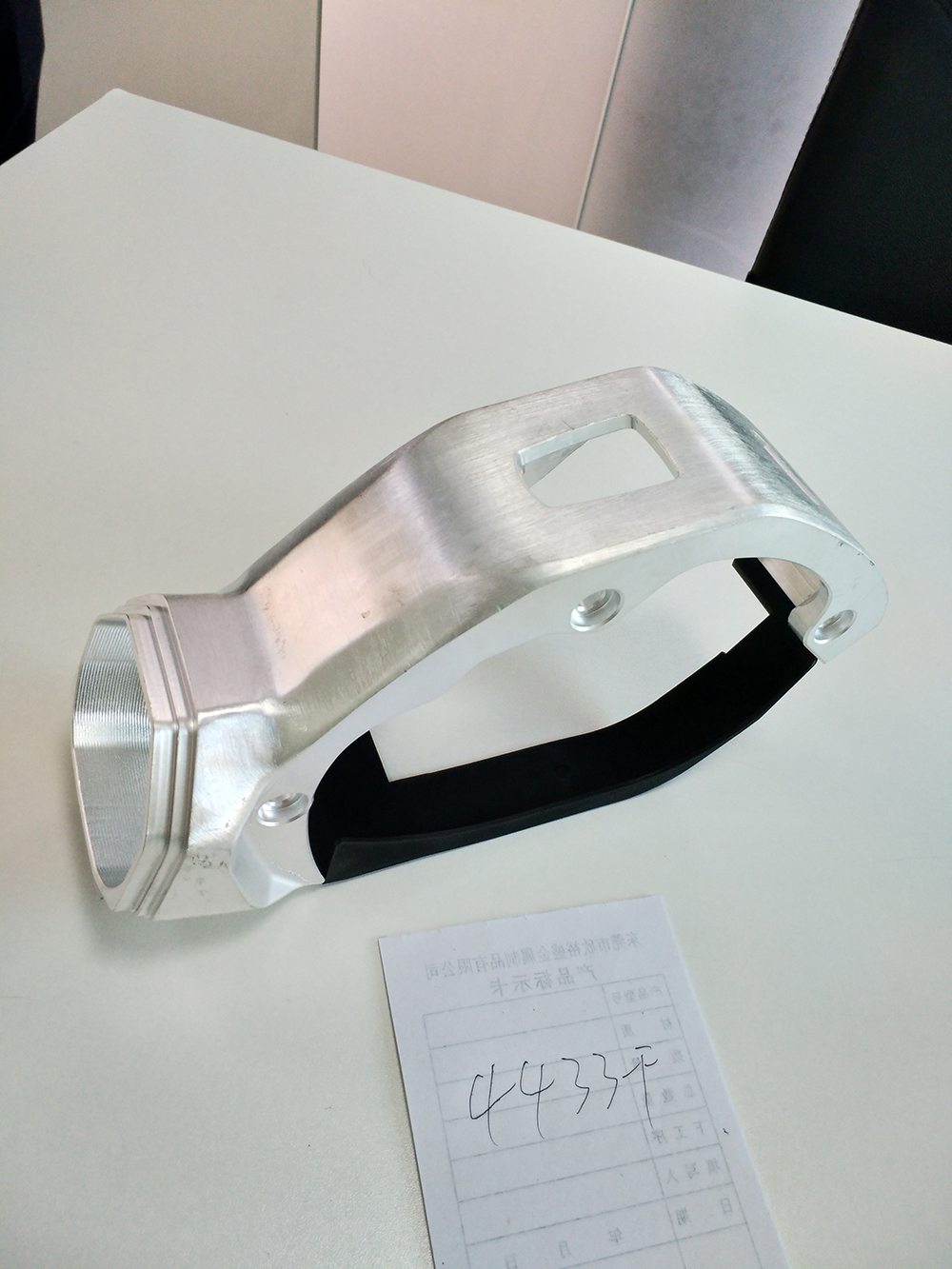
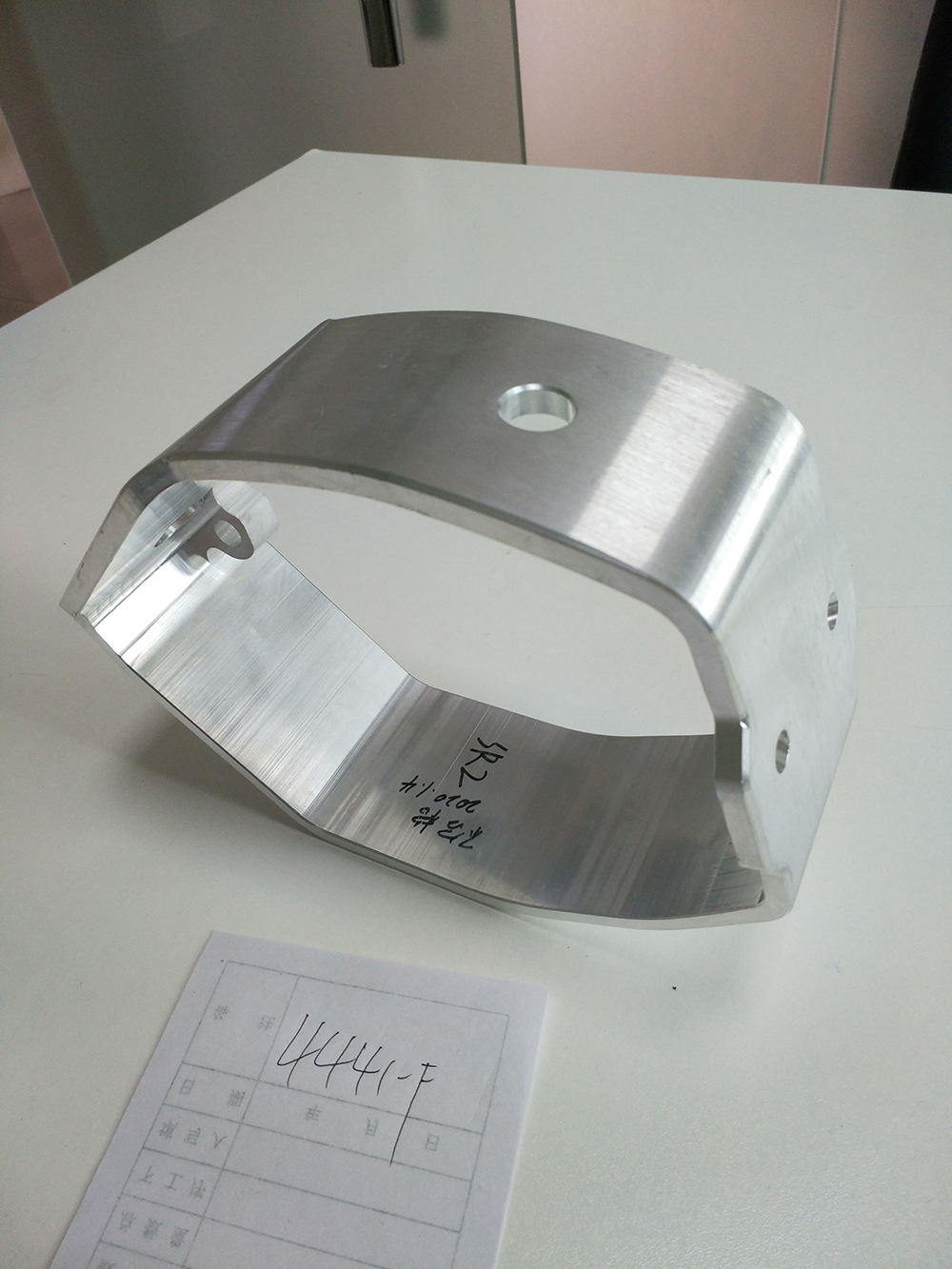
4. Complex shape forming capacity: Modern forging technology can achieve near net forming of complex geometry, reducing the amount of subsequent processing.
5. Excellent thermal and electrical conductivity: Aluminum alloy has good thermal conduction and electrical conduction performance, suitable for applications requiring heat dissipation or electrical conduction.
3、Commonly used forged aluminum alloy materials
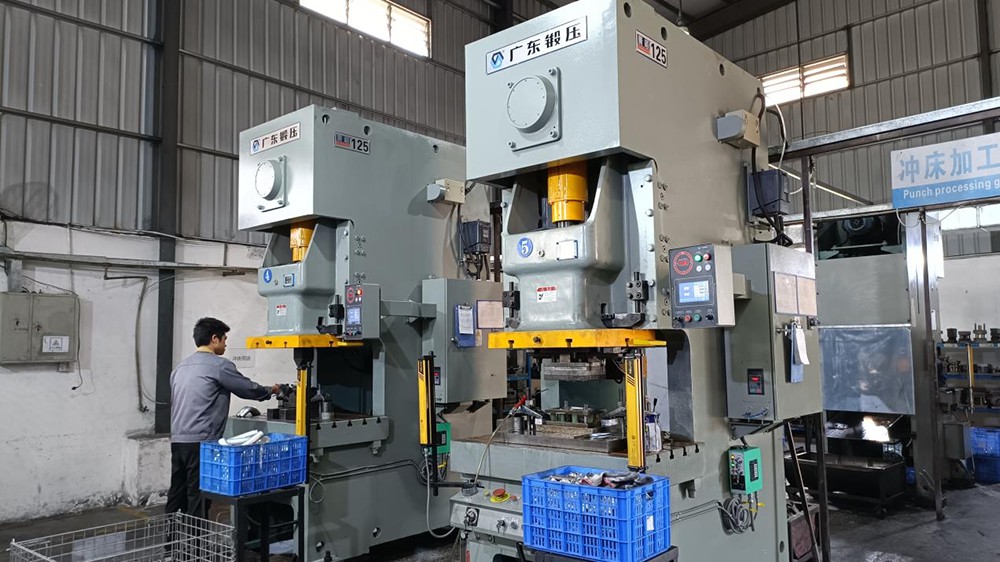
1. 2XXX series (Al-Cu series): such as 2024,2014,2219, etc., with high strength and good heat resistance, widely used in aerospace fields.
2. 6XXX series (Al-Mg-Si series): such as 6061,6082, etc., with good comprehensive performance and corrosion resistance, is the most commonly used forged aluminum alloy in automotive and general engineering.
3. 7XXX series (Al-Zn-Mg-Cu series): such as 7075,7050, etc., is one of the highest strength aluminum alloys, used for high stress structural parts.
4. 5XXX series (Al-Mg series), such as 5083, has excellent corrosion resistance and welding properties, suitable for ships and chemical equipment.
Each alloy has its specific forging temperature range and heat treatment process, which need to be carefully selected and controlled according to the final use requirements.
 |  |
4、 Classification of aluminum alloy forging process
1. By temperature
Hot forging:
Carried out above the recrystallization temperature (usually 350-500℃), with little deformation resistance, can be formed into complex shapes.
Cold forging:
Carried out at room temperature, the product has high precision and good surface quality, but the deformation resistance is large.
Warm forging:
Between hot forging and cold forging, taking into account the advantages of both.
2. Classification by molding method
Free forging:
Deformation between simple tools, suitable for single piece small batch production.
Forging:
Formed in closed or semi-closed mold, high production efficiency, accurate size.
Isothermal forging:
The mold and the blank are kept at the same temperature, especially suitable for the forming of complex and precision parts.
3. Special forging process
Precision forging:
To achieve near net forming, reduce material waste and processing costs.
Multi-directional forging:
Apply pressure from multiple directions to improve the anisotropy of the material.
Liquid die forging:
A process between casting and forging, with the advantages of both.
5、 Aluminum alloy forging process
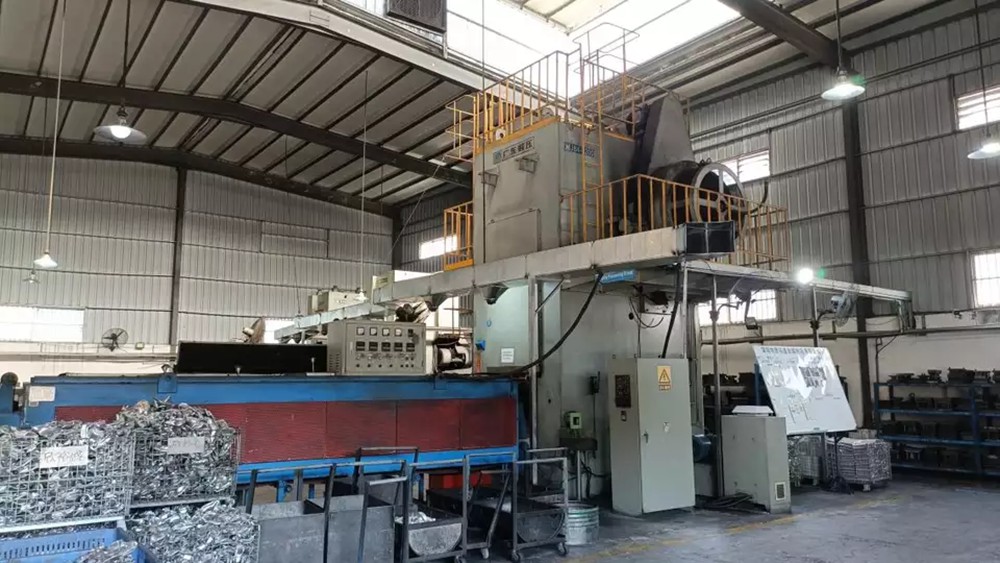
1. Raw material preparation: including alloy smelting, casting, homogenization treatment, sawing and other processes. High quality raw material is the basis of obtaining high quality forgings.
2. Heating: the heating temperature and holding time are controlled precisely to prevent overheating and burning. Aluminum alloy has good thermal conductivity and fast heating speed, but it is highly temperature sensitive.
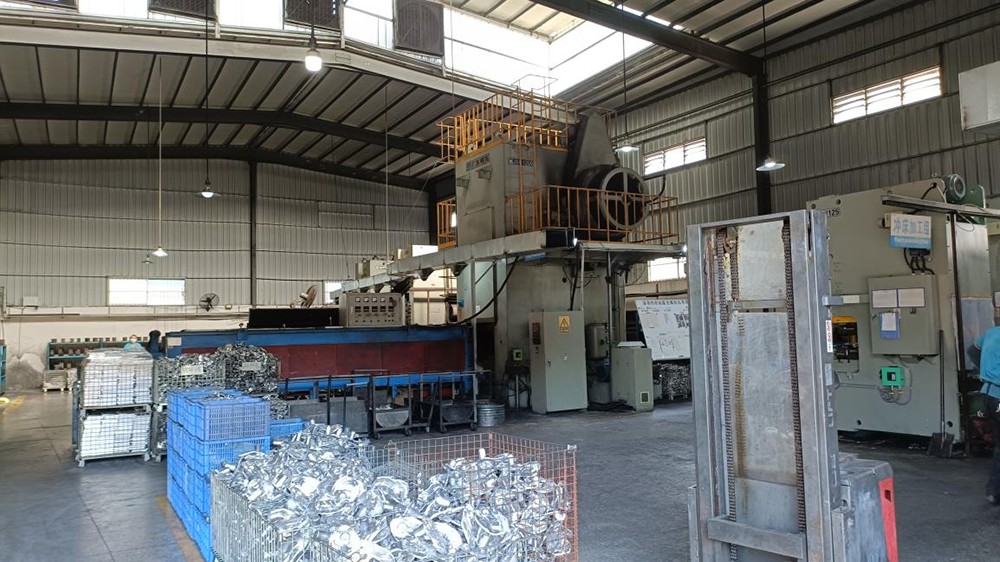
3. Forging: Select appropriate forging equipment and process parameters according to product requirements. Aluminum alloy forging usually requires large deformation to obtain the desired microstructure.
4. Cutting edge: to remove the flash of die forging, hot cutting or cold cutting can be used.
5. Heat treatment: including solid solution treatment, quenching and aging treatment, is the key to obtain the best mechanical properties.
6. Polishing and inspection: including correction, surface treatment and various nondestructive testing to ensure product quality.
6、 The key technology of aluminum alloy forging
1. Temperature control technology: The forging temperature range of aluminum alloy is narrow, so it needs accurate temperature monitoring and control system.
2. Lubrication technology: appropriate lubricant can reduce mold wear, improve metal flow, and improve surface quality.
3. Mold technology: The selection, design and manufacturing of mold materials directly affect the quality of forgings and the life of molds.
4. Deformation control technology: optimize material organization and properties by controlling deformation amount, deformation speed and deformation path.
5. Numerical simulation technology: finite element analysis and other simulation methods can optimize the process parameters and reduce the cost of trial mold.
7、 Application fields of aluminum alloy forging
1. Aerospace: Aircraft structural parts, engine parts, spacecraft components, etc., such as Boeing 787 uses a large number of aluminum alloy forgings.
2. Automotive industry: suspension parts, steering knuckle, wheel hub, engine parts, etc., to help the lightweight of the car.
3. Rail transit: high-speed rail and subway car body structure, connectors, etc.
4. Military equipment: armored vehicles, missile components, ship structure, etc.
5. General machinery: hydraulic components, robot parts, precision instrument parts, etc.
8、Development trend of aluminum alloy forging
1. Large-scale and precision development in parallel: on the one hand, develop larger size forgings to meet aerospace needs, on the other hand, pursue higher precision to reduce machining allowance.
2. Development of new high strength aluminum alloy: develop new forging aluminum alloy materials with higher strength and better toughness.
3. Intelligent process: artificial intelligence, big data and other technologies are introduced to optimize forging process and control.
4. Green forging technology: develop energy saving and consumption reduction, waste reduction of environmental protection forging technology.
5. Composite process innovation: Explore new manufacturing methods combining forging with other processes (such as additive manufacturing).
Epilogue
As a vital component of modern manufacturing, aluminum alloy forging technology plays an irreplaceable role in advancing industrial lightweighting. With the continuous emergence of new materials, innovative processes, and advanced equipment, this technology will keep evolving to deliver superior and efficient solutions across various industries. Looking ahead, aluminum alloy forging is poised to advance toward greater precision, smarter automation, and greener sustainability, injecting fresh momentum into the transformation and upgrading of manufacturing sectors.








Contact Supplier
Send your message to this supplier
Top
Contact Supplier
Send your message to this supplier

Xinyusheng Metal Products

点击右上角
分享给朋友吧
NAVIGATION
PRODUCTS
CONTACT

+86 134 1753 9458
+86 150 1998 3523
+86 137 2888 0942

info@gd-xys.com

No.10, Qianling 5th Street, Jichigang Village, Baoshan Community, Huangjiang Town, Dongguan City

Xinyusheng Metal Products
CONTACT
Add:No.10, Qianling 5th Street, Jichigang Village, Baoshan Community, Huangjiang Town, Dongguan City
Phone:+86 134 1753 9458
+86 150 1998 3523
+86 137 2888 0942
E-mail:info@gd-xys.com
Copyright © 2024 Dongguan Xinyusheng Metal Products Co., Ltd
